What’s New in Cannabis: The Waiting Game That’s Quietly Reshaping the Industry
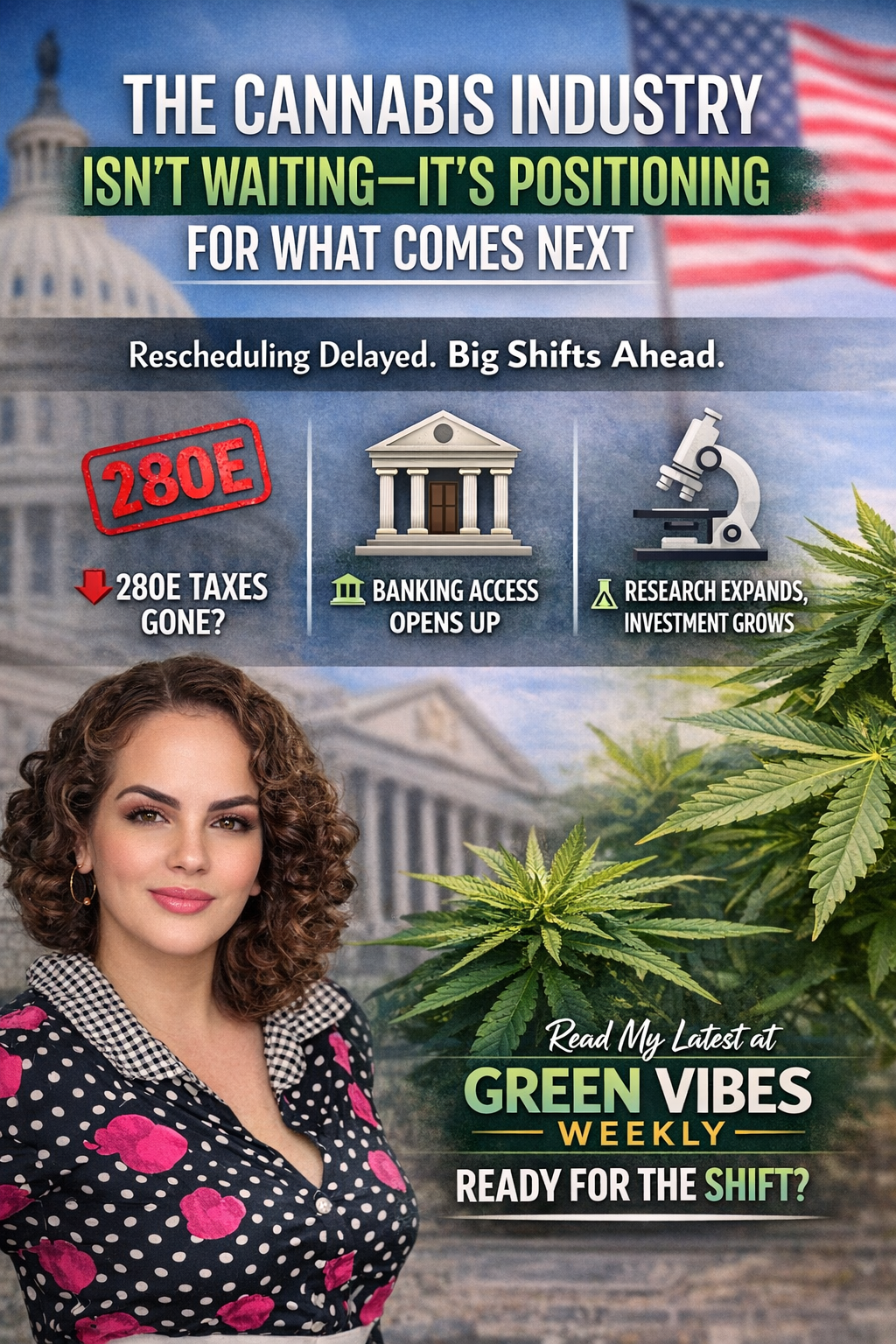
By Rita Duran | Green Vibes Weekly | March 2026
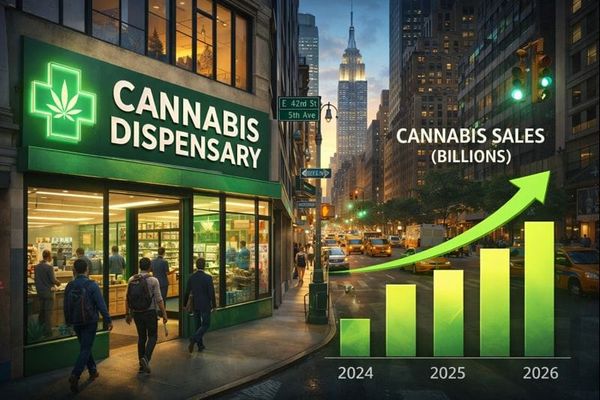
The cannabis industry is standing at the edge of what could be its most transformative moment—and yet, nothing has officially changed.
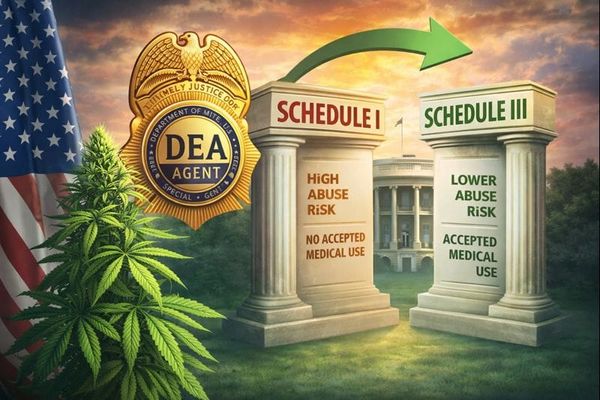
As of March 2026, cannabis remains classified as a Schedule I substance under federal law. However, mounting pressure on the Drug Enforcement Administration (DEA) to reclassify cannabis to Schedule III has created a unique and uncertain landscape. Lawmakers are demanding answers, timelines remain unclear, and the process itself has become increasingly complex and, at times, chaotic.
But make no mistake—while Washington delays, the industry is already moving.
The Illusion of “Nothing Happening”
On the surface, it may seem like a standstill. No final ruling. No immediate policy shift. No clear resolution.
Yet beneath that stillness, operators, investors, and institutions are repositioning rapidly.
This is not a pause.
This is a pre-shift phase.
Why Rescheduling Changes Everything
If cannabis is moved to Schedule III, the ripple effects will be immediate and profound.
First, the elimination of IRS Code 280E would fundamentally change the economics of cannabis businesses. For years, operators have carried one of the heaviest tax burdens in any industry, unable to deduct ordinary business expenses. Removing 280E would not just improve margins, it would unlock sustainability, reinvestment, and growth.
Second, access to traditional banking would expand. The industry could move further away from cash-heavy operations and toward normalized financial systems, opening the door to institutional capital and more sophisticated financial infrastructure.
Third, research would accelerate. A Schedule III classification would allow for broader clinical studies, legitimizing cannabis within the medical community and creating new pathways for innovation.
And finally, large corporate players—many of whom have been waiting on the sidelines—would enter the market at scale.
The Real Shift Is Already Happening
Here’s the truth: the most strategic players are not waiting for the announcement.
They are preparing for the aftermath.
This moment is creating a quiet divide within the industry:
- Those waiting for clarity
- And those building for inevitability
Operators who understand what’s coming are tightening compliance, strengthening their financial structures, refining their brands, and securing their market positions now—before the doors open wider.
Because when they do, competition will not just increase. It will transform.
A Window of Opportunity
For independent operators, particularly those rooted in community, culture, and authenticity, this moment presents a rare window.
Right now, the playing field is still accessible. Relationships still matter. Trust still drives consumer behavior. Local brands still have the ability to define their identity without being overshadowed by national dominance.
But that window will not remain open indefinitely.
Final Thought: The Industry Is Not Waiting—It’s Positioning
Cannabis in 2026 is not stalled. It is strategically paused before acceleration.
Rescheduling is not just a regulatory change—it is a gateway to a new era of competition, capital, and consolidation.
The question is no longer if change is coming.
The question is who will be ready when it does.
Because in this moment, the real advantage does not belong to those who wait.
It belongs to those who prepare.
Sources & Industry References:
DEA Drug Scheduling Overview; DEA Notice of Proposed Rulemaking on Marijuana Rescheduling; U.S. Department of Health and Human Services; Internal Revenue Service (IRC §280E); National Institutes of Health; MJBizDaily; Cannabis Business Times; Business of Cannabis; Reuters.